Septic Field Installation in Denver, CO
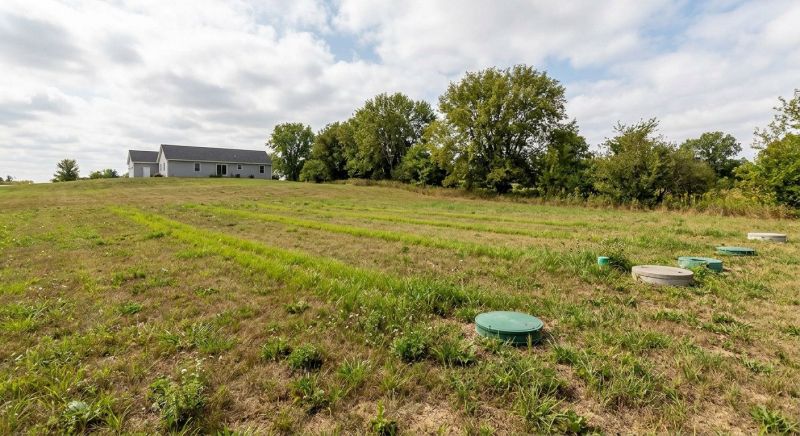
Septic field installation involves setting up the underground system that treats and disperses wastewater from a property. This service is typically requested for new construction, property upgrades, or when replacing an outdated or failing system. Property owners should understand the importance of proper site assessment, including soil testing and layout planning, to ensure the system functions efficiently and complies with local regulations. Knowing the size and type of septic system needed, based on household size and land characteristics, helps in making informed decisions before requesting installation services.
Before requesting septic field installation, property owners often want to know about the process involved, including excavation, system placement, and backfilling. It’s also useful to understand the maintenance requirements and any permits or inspections that may be necessary. Clarifying these details ensures the project aligns with property needs and local codes, and helps prepare for the installation process with minimal disruption. Proper planning and understanding of the system’s scope can contribute to a long-lasting, effective septic solution.
Many property owners in Denver, CO look into Septic Field Installation for repairs, replacements, upgrades, and appearance-related improvements.
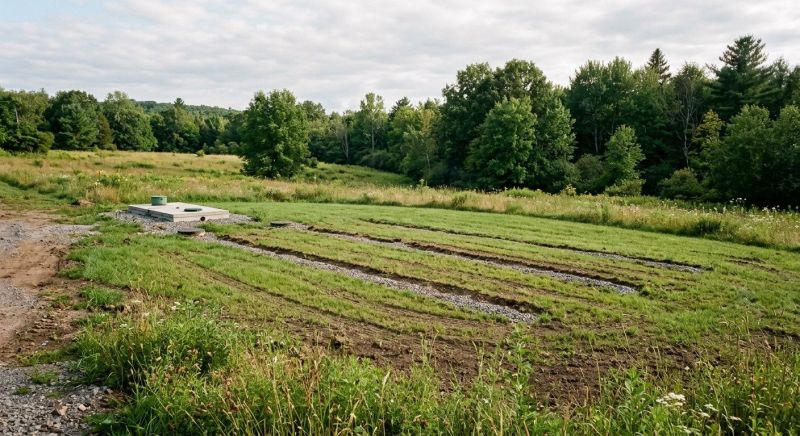
Septic Field Design And Planning
Proper planning ensures efficient and long-lasting septic system performance for your property.
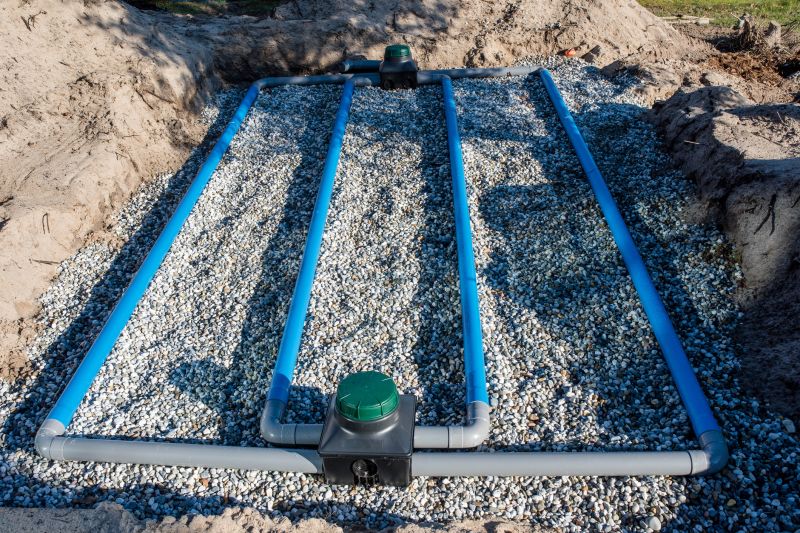
Septic Drain Field Installation
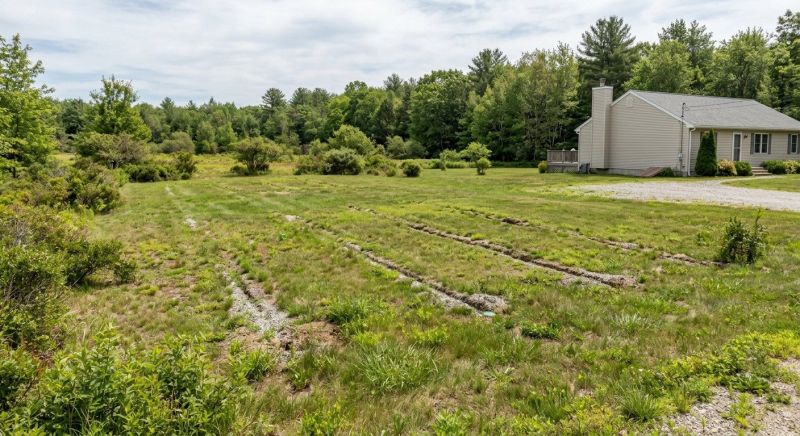
Installation involves selecting suitable locations and ensuring proper depth and soil conditions.
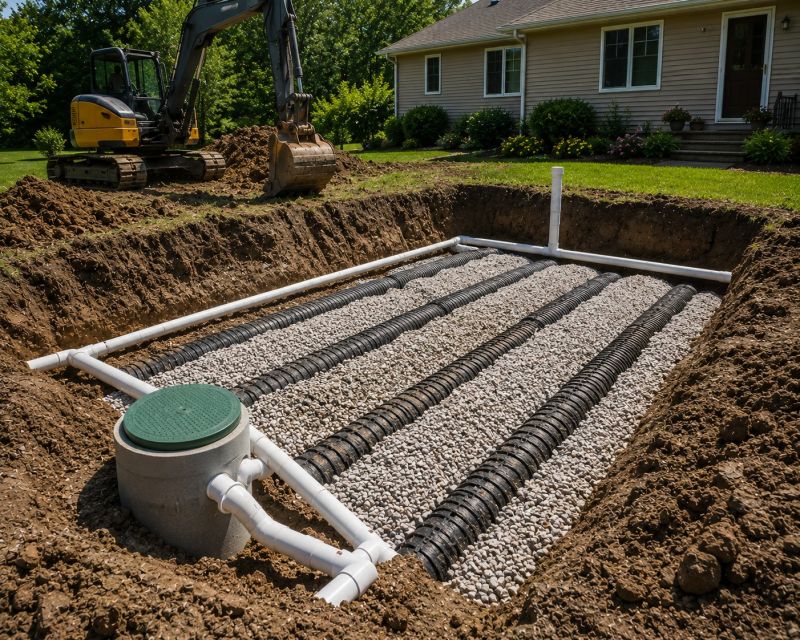
Maintenance And System Upgrades
Regular inspections and upgrades help maintain system function and prevent costly repairs in denver, co.
Septic Field Installation in Denver, CO

Septic field installation involves setting up the underground system that treats and disperses wastewater from a property. This service is typically requested for new construction, property upgrades, or when replacing an outdated or failing system. Property owners should understand the importance of proper site assessment, including soil testing and layout planning, to ensure the system functions efficiently and complies with local regulations. Knowing the size and type of septic system needed, based on household size and land characteristics, helps in making informed decisions before requesting installation services.
Before requesting septic field installation, property owners often want to know about the process involved, including excavation, system placement, and backfilling. It’s also useful to understand the maintenance requirements and any permits or inspections that may be necessary. Clarifying these details ensures the project aligns with property needs and local codes, and helps prepare for the installation process with minimal disruption. Proper planning and understanding of the system’s scope can contribute to a long-lasting, effective septic solution.
Many property owners in Denver, CO look into Septic Field Installation for repairs, replacements, upgrades, and appearance-related improvements.
Common Septic Field Installation Jobs
Septic Field Design - tailored plans to ensure proper drainage and system efficiency.
Drain Field Installation - placement of underground pipes and gravel beds to treat wastewater.
Septic System Expansion - adding new drain fields to accommodate property growth or increased usage.
Replacement Services - removing outdated or malfunctioning drain fields for updated solutions.
Soil Testing and Site Evaluation - assessing ground conditions to determine optimal drain field locations.
Septic System Maintenance - installing new drain fields as part of ongoing system care and upgrades.
Septic Field Installation Questions
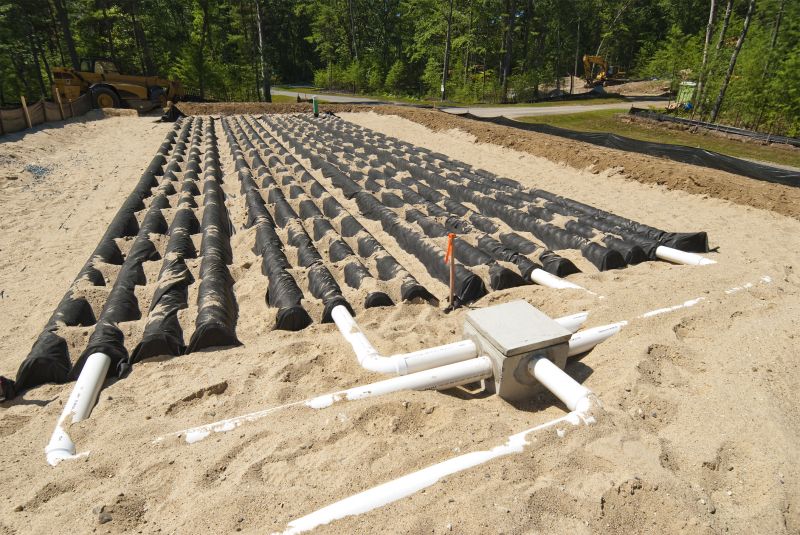
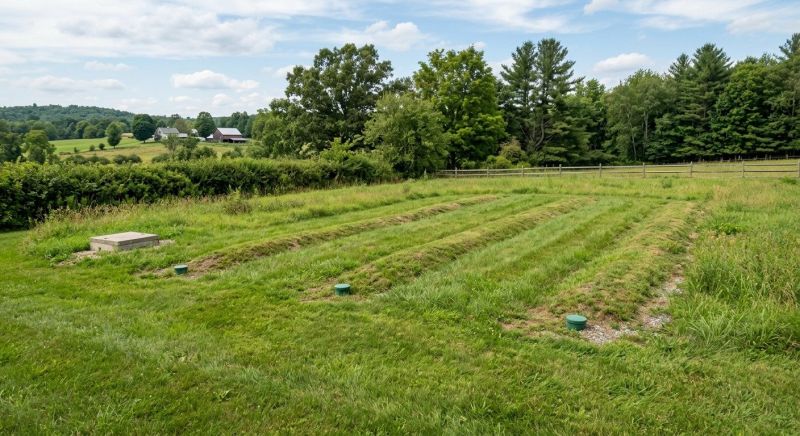
What is a septic field? A septic field is an underground area that treats and disperses wastewater from a property’s septic system.
How is a septic field installed? Installation involves excavating the area, laying pipes, and establishing a drain field to safely manage wastewater.
What size of septic field is needed? The size depends on property size, soil type, and wastewater volume, ensuring proper treatment and absorption.
What property considerations are important for installation? Adequate space, proper soil drainage, and distance from wells or foundations are key factors for a successful septic field.
Request Septic Field Installation in Denver, CO
Use the quote form on this page to share the basics of your project and request more information for the type of work you need.