Get Drain Field Installation
Drain field installation services help property owners set up septic systems to prevent backups, fix drainage issues, and ensure proper wastewater management.
Drain field installation is a vital component of effective septic system management, ensuring proper wastewater dispersal and helping property owners maintain a healthy and functional property. Whether planning a new installation or replacing an existing system, exploring local contractor options can provide valuable insights into the best solutions for your land and household needs. Property owners in the area often consider this work to support long-term property value, meet local regulations, or address issues with existing drainage systems.
By comparing services offered by local contractors, property owners can find experienced professionals equipped to handle the complexities of drain field installation. Continuing to explore your options allows for informed planning and helps identify trusted service providers who can deliver quality work tailored to your property's specific requirements. Keep reading to learn more about how local experts can assist with your drain field needs.
- Septic Drain Field Installation - needed when a property requires a reliable system to treat and dispose of wastewater.
- Leach Field Repair - necessary when existing drain fields show signs of failure or clogging.
- Drain Field Replacement - required if a drain field has become damaged or outdated beyond repair.
- Soil Evaluation and Site Assessment - important before installing a new drain field to ensure proper placement and functionality.
- Alternative Drain Field Solutions - sought when conventional systems are unsuitable due to site limitations or soil conditions.
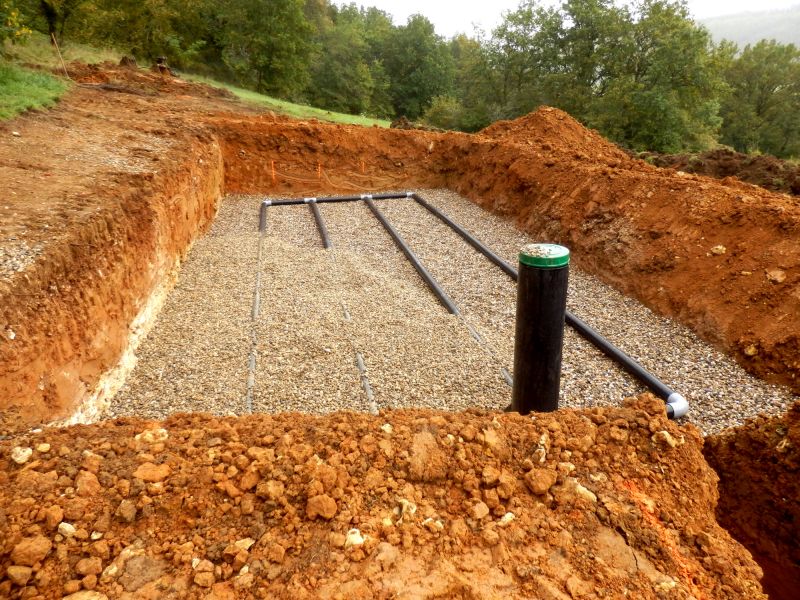
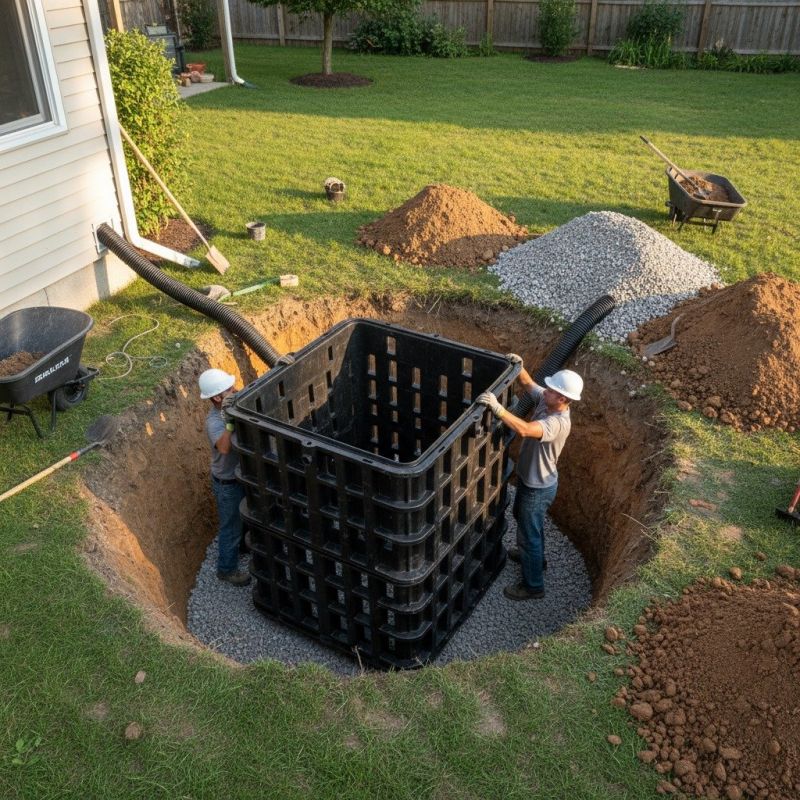
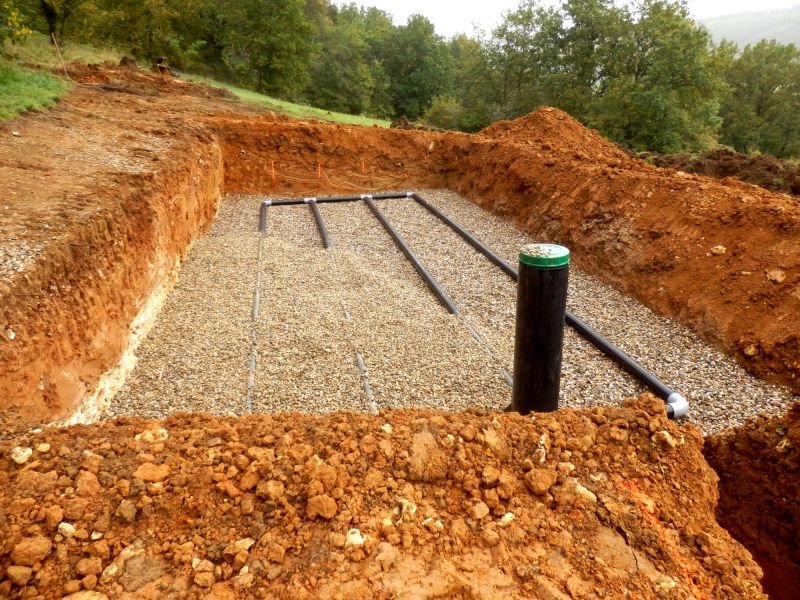
Drain field installation services involve setting up a system that safely disperses treated wastewater from a septic tank into the ground. This process typically includes excavating the area, laying perforated pipes, and covering them with gravel or other suitable materials to ensure proper drainage. Proper installation is essential for ensuring that wastewater is absorbed efficiently and safely, preventing potential issues with sewage backup or ground contamination. Local contractors specializing in drain field installation can assess the property’s terrain and soil conditions to design a system that functions effectively over time.
This service helps resolve common problems associated with inadequate or failing septic systems. Signs that a drain field may need attention include persistent odors, slow draining sinks and toilets, or standing water around the septic area. When a drain field becomes clogged, saturated, or damaged, it can cause wastewater to back up into the home or surface on the property, creating health hazards and property damage. Installing a new drain field or repairing an existing one can restore proper sewage flow and prevent costly repairs or environmental issues in the future.
Properties that typically require drain field installation are those not connected to municipal sewer systems, including rural homes, farms, and some suburban properties. These systems are also common in properties where the existing drain field has failed or is no longer functioning correctly. The size and design of the drain field depend on the property’s size, usage, and soil conditions. Local service providers can evaluate these factors to recommend the best solution for each property, ensuring reliable wastewater management and compliance with local regulations.
Choosing experienced local contractors for drain field installation can help ensure the work is done correctly and efficiently. Proper installation not only maintains the health and safety of the property but also extends the lifespan of the septic system. Homeowners experiencing issues with their current drain field or planning a new septic system can contact local service providers to discuss their needs. These professionals can provide the expertise needed to install, repair, or replace drain fields, helping to keep wastewater flowing smoothly and property safe from potential damage.
The overview below groups typical Drain Field Installation projects into broad ranges so you can see how smaller, mid-sized, and larger jobs often compare in your area.
In many markets, a large share of routine jobs stays in the lower and middle ranges, while only a smaller percentage of projects moves into the highest bands when the work is more complex or site conditions are harder than average.
Smaller Repairs - typical costs for minor drain field repairs usually range from $250 to $600. Many routine fixes fall within this middle range, though prices can vary based on the extent of the work and local rates.
Full Replacement - replacing an entire drain field can cost between $3,000 and $7,000 for most projects. Larger, more complex installations or those with challenging site conditions may exceed this range.
Maintenance and Inspection - regular inspections and minor maintenance often cost between $150 and $400. These services help identify potential issues early and are generally on the lower end of the cost spectrum.
Custom or Complex Projects - highly customized or difficult installations can reach $10,000 or more, though such projects are less common. Local pros can provide estimates based on specific site requirements.
Actual totals will depend on details like access to the work area, the scope of the project, and the materials selected, so use these as general starting points rather than exact figures.
Septic System Installation - installing septic systems requires knowledge of soil conditions, drainage planning, and underground excavation, similar to drain field setup.
Underground Utility Line Installation - laying utility lines involves trenching, careful planning, and the use of specialized tools, paralleling drain field installation techniques.
Drainage System Design and Installation - creating effective surface or subsurface drainage solutions involves site assessment and planning skills akin to drain field work.
Soil Testing and Site Evaluation - assessing soil properties and suitability is a key step in both drain field installation and other underground infrastructure projects.
Water Line Installation - installing water supply lines requires excavation, planning, and underground work similar to drain field setup processes.
Landscape Drainage Solutions - designing and installing landscape drainage systems involves understanding of soil and water flow, aligning with drain field installation expertise.
When comparing service providers for drain field installation, it is important to consider their experience with similar projects. Homeowners should inquire about how many installations they have completed that resemble their specific site conditions and needs. An experienced contractor will likely have encountered a variety of soil types, property layouts, and system requirements, which can contribute to a smoother installation process and a more reliable outcome.
Clear written expectations are essential when evaluating local contractors. Homeowners should seek providers who can offer detailed descriptions of their services, including the scope of work, materials used, and any relevant procedures. Having a well-defined plan helps ensure that both parties are aligned on project goals and reduces the potential for misunderstandings or surprises during the installation process.
Reputable references and effective communication are key indicators of a dependable service provider. Homeowners are encouraged to ask for references from previous clients who had similar projects completed, providing insight into the contractor’s professionalism and quality of work. Additionally, responsive and clear communication throughout the inquiry process can reflect a contractor’s commitment to transparency and customer service, making it easier to coordinate and feel confident in the chosen local pros.
Property owners use Drain Field Installation services for practical projects around their homes and businesses. This guide focuses on everyday jobs and straightforward project options.
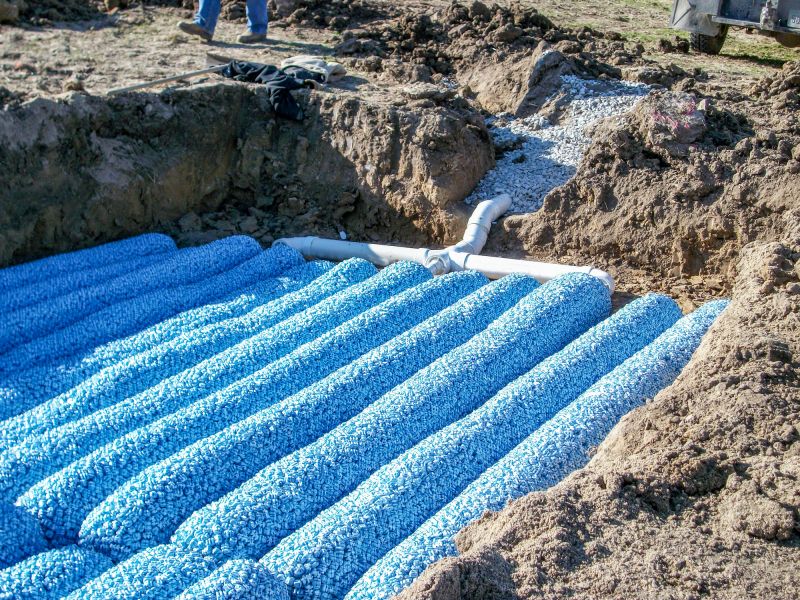
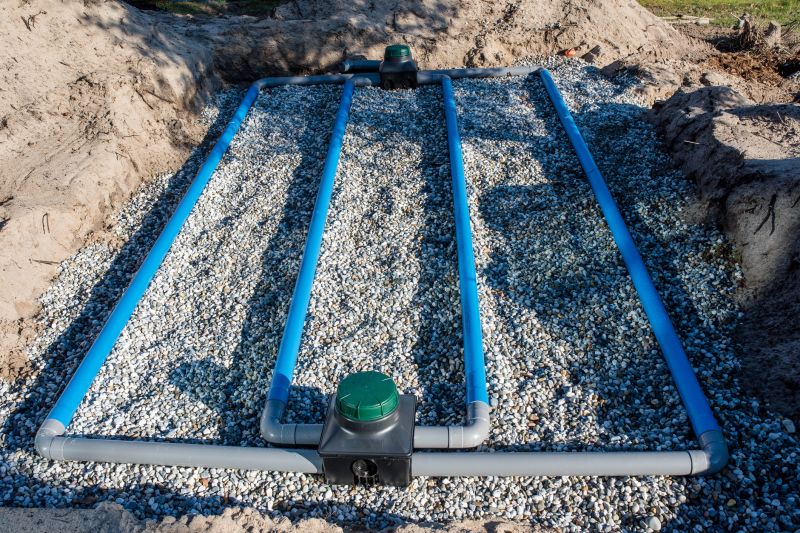
Drain field installation is a common project for property owners who are experiencing issues with their existing septic systems, such as frequent backups or poor drainage. Homeowners may also seek installation services when building a new property or upgrading an outdated system to ensure proper waste management. Local contractors are available to evaluate site conditions, recommend suitable solutions, and handle the installation process to help maintain a healthy and functional septic system.
Property owners might also look for drain field installation services when planning a property expansion or renovation that requires additional drainage capacity. Additionally, those facing soil absorption problems or changes in land use may need professional assistance to install or replace drain fields. Local service providers can assess specific site needs and provide tailored solutions to support the property's overall drainage and septic system performance.
What is involved in installing a drain field? Drain field installation typically includes excavating the area, preparing the soil, and laying out the piping system to ensure proper wastewater dispersal.
How do local contractors determine the best drain field location? They assess soil type, drainage capacity, and property layout to identify suitable sites for effective wastewater management.
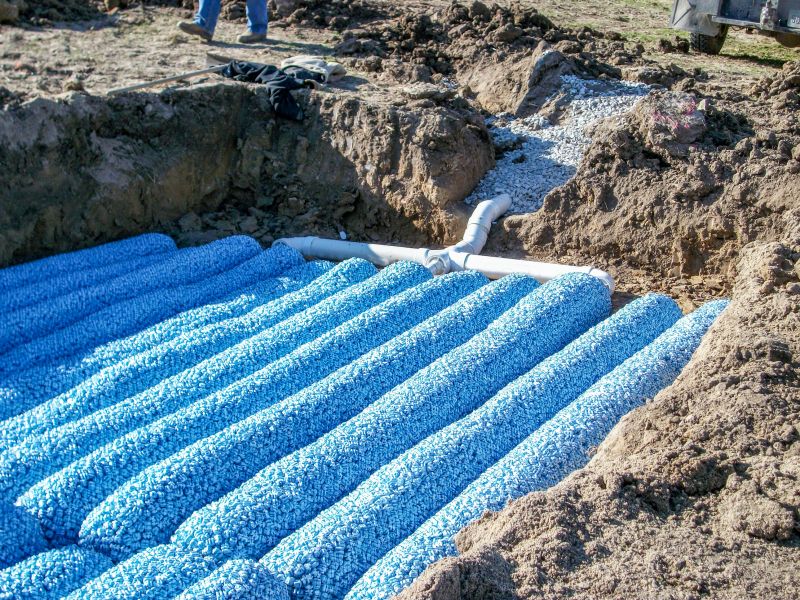
Are there different types of drain fields available? Yes, options may include traditional gravel trenches, chamber systems, or mound systems, depending on site conditions and local regulations.
What factors can affect the longevity of a drain field? Proper installation, soil conditions, and ongoing maintenance can influence how long a drain field functions effectively.
How can I find qualified service providers for drain field installation? Contacting local contractors who specialize in septic system services can help compare options and connect with experienced professionals.
Septic System Upgrades - Property owners can explore installing a new drain field to improve an existing septic system's performance and reliability.
Property Expansion Projects - When adding new structures or expanding outdoor living spaces, a properly installed drain field helps manage wastewater effectively.
Drain Field Replacement - If an existing drain field shows signs of failure, local contractors can replace or repair it to restore proper drainage.
Land Development Planning - During land development or landscaping projects, integrating a new drain field ensures proper wastewater management for the property.
If you are thinking about Drain Field Installation for a property, this guide is meant to help you understand the work, the typical project types, and how different options might fit your plans.
When you are ready, you can use the quote form on this page to share a few details about your project. From there, local pros can review the basics and respond with options that match what you have in mind.